Vietnam Prilled Urea vs Granular Urea: Which One Should You Use?
In the global urea fertilizer market, supply dynamics can shift rapidly due to geopolitical events, export restrictions, and production disruptions. During these periods, Vietnam urea becomes an increasingly important alternative supply source, supported by stable domestic production and strong export capability.
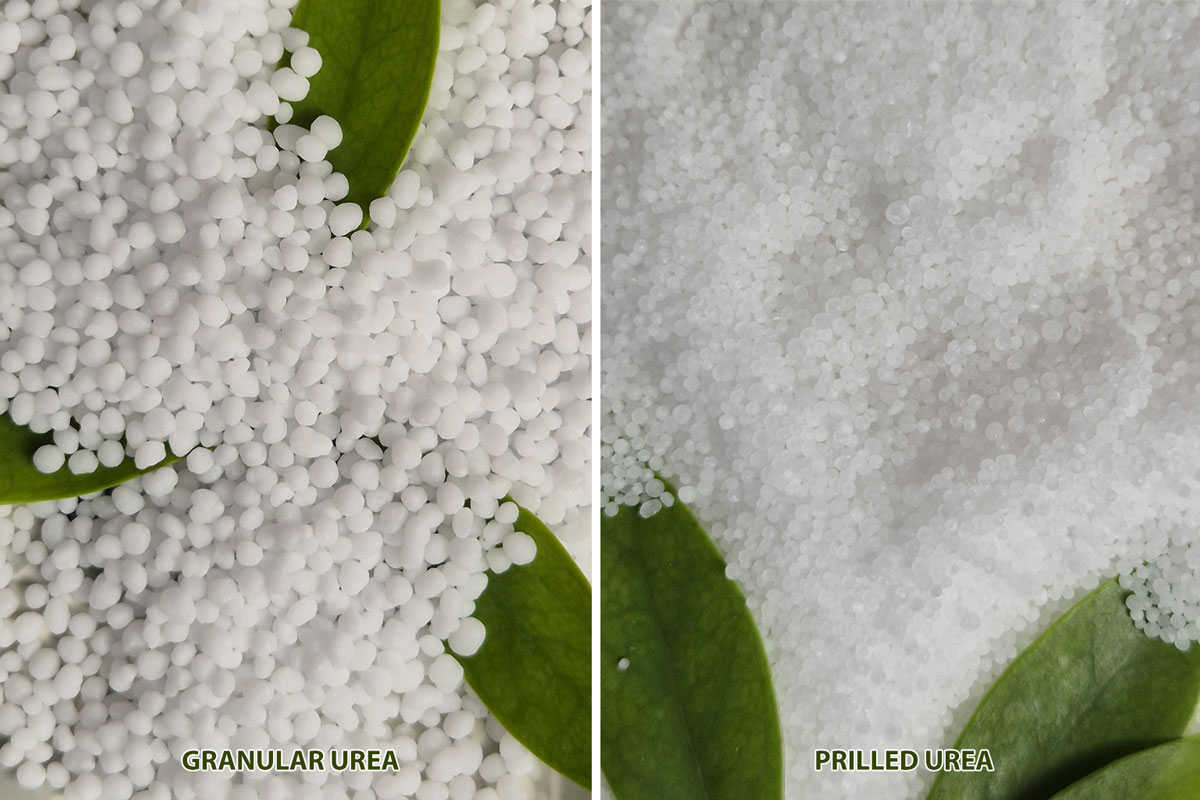
However, one critical factor often overlooked by buyers is the physical form of urea. Specifically, the difference between prilled urea and granular urea.
Although Vietnam prilled and granular urea share the same chemical composition, differences in production technology, particle structure, and handling characteristics lead to significant performance variations across agriculture, blending, and industrial use.
Choosing the right type directly impacts:
- Blending efficiency
- Field application performance
- Storage and logistics stability
- Product quality perception
- Total cost of use
This guide provides a clear, practical comparison to help you make the right sourcing decision when buying urea from Vietnam.
Why the Form of Urea Matters
Urea is the most widely used nitrogen fertilizer globally, valued for its high nitrogen content, cost efficiency, and versatility across agricultural and industrial applications.
At a chemical level, all urea contains 46% nitrogen. However, in practice, physical form determines performance.
The difference between prilled and granular urea directly affects:
- Spreading uniformity
- Dust losses
- Resistance to caking
- Compatibility in NPK blending
- Handling efficiency during transport
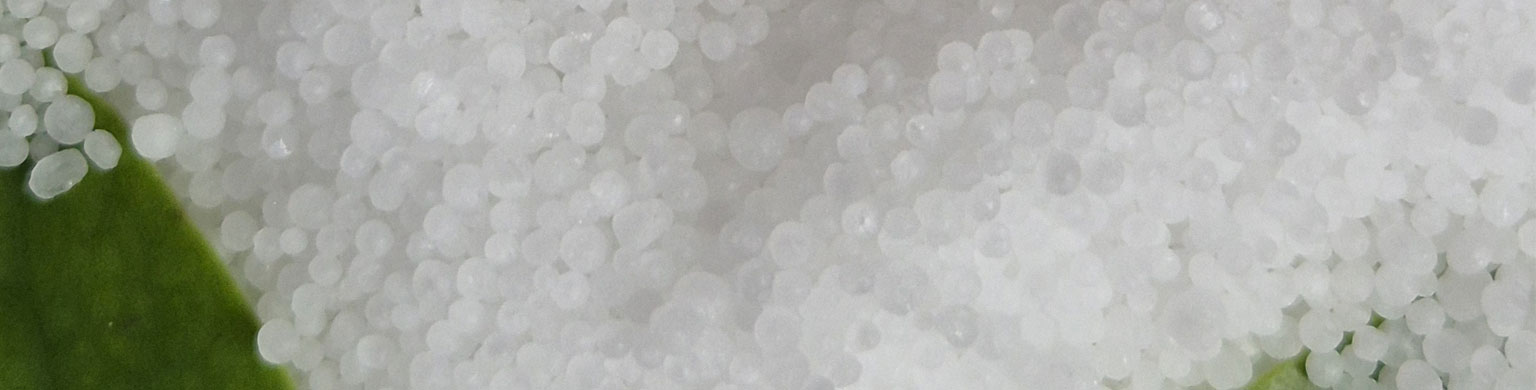
What Is Vietnam Prilled Urea?
Vietnam prilled urea is produced using either coal based or natural gas-based ammonia, depending on the production facility.
Key Characteristics:
- Total Nitrogen (N): 46.0% min
- Biuret: 1.0% max
- Particle size: 1.0 - 2.5 mm
- Moisture: 0.5% max
- Appearance: White, spherical prills
- Available in coated or uncoated form
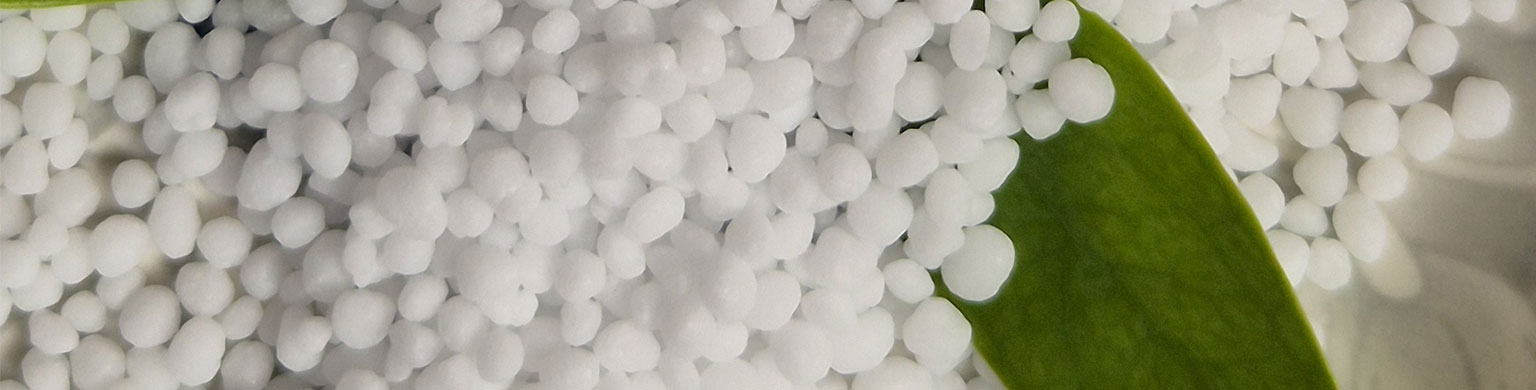
What Is Vietnam Granular Urea?
Vietnam granular urea is typically produced using natural gas-based ammonia and manufactured through advanced granulation technology.
Key Characteristics:
- Total Nitrogen (N): 46.0% min
- Biuret: 1.0% max
- Particle size: 2.0 – 4.75 mm
- Moisture: 0.5% max
- Appearance: White, dense granules
Vietnam Granular Urea vs Prilled Urea: Key Differences
| Criteria | Prilled Urea | Granular Urea |
|---|---|---|
| Particle Size | 1.0 – 2.5 mm | 2.0 – 4.75 mm |
| Crushing Strength | Lower | Higher |
| Dust Formation | Higher | Lower |
| Handling & Transport | More fragile | More durable |
| Dissolution Rate | Faster | Moderate |
| Blending Suitability | Less suitable for bulk blending | Excellent for bulk blending |
| Caking Tendency | Higher | Lower |
| Cost Level | Lower | Higher |
1. Field Application
Granular urea:
- More uniform particle size. Better spreading accuracy
- Lower drift and wind loss
- Ideal for mechanical spreaders
Prilled urea:
- Faster dissolution
- Less uniform distribution in mechanized systems
Conclusion: Granular urea is generally preferred in modern, mechanized agriculture systems.
2. NPK Blending
Granular urea:
- Uniform particle size
- Reduced segregation during transport
- Lower dust generation
Prilled urea:
- Higher dust levels
- Particle mismatch with other nutrients
Conclusion: Granular urea is the industry standard for bulk blending and compound fertilizer production.
3. Industrial Applications
Prilled urea is commonly used in:
- Urea-formaldehyde resins
- Chemical processing
- Liquid fertilizer systems
Its smaller particle size and faster dissolution make it suitable for these applications.
Note: For DEF/AdBlue production, urea must meet strict purity standards.
4. Handling, Storage and Logistics
Prilled urea:
- Higher breakage during handling
- Increased dust generation
- Greater caking tendency under humid conditions
Granular urea:
- Stronger and more durable particles
- Lower dust formation
- Better resistance to caking and moisture
Conclusion: For export-oriented supply chains, granular urea offers clear advantages in handling and storage stability.
5. Cost Considerations
Prilled urea generally has a lower upfront price, while granular urea is typically more expensive due to higher production costs.
However, total cost should be evaluated based on:
- Handling losses and dust generation
- Blending efficiency
- Storage performance
- Application effectiveness
In many cases, granular urea delivers better overall value despite a higher unit price.
Vietnam Prilled Urea vs Granular Urea: Which One To Use?
| Use Case | Recommended | Reason |
|---|---|---|
| Field application (mechanized) | Granular | More uniform distribution and better compatibility with spreaders |
| NPK blending | Granular | Uniform particle size and reduced segregation |
| Industrial applications | Prilled | Faster dissolution and cost efficiency |
| Cost-sensitive markets | Prilled | Lower product cost |
| Export logistics | Granular | Stronger particles and better durability |
| Bulk handling & long-distance transport | Granular | Lower dust formation and better storage stability |
Looking for a reliable Vietnam urea supplier?
We, Golinse supply both prilled and granular urea from trusted Vietnam urea manufacturers. Contact us to request technical specifications or a quotation.