Why CMS‑Based Fertilizer Contains High Amino Acids & Fulvic Acid
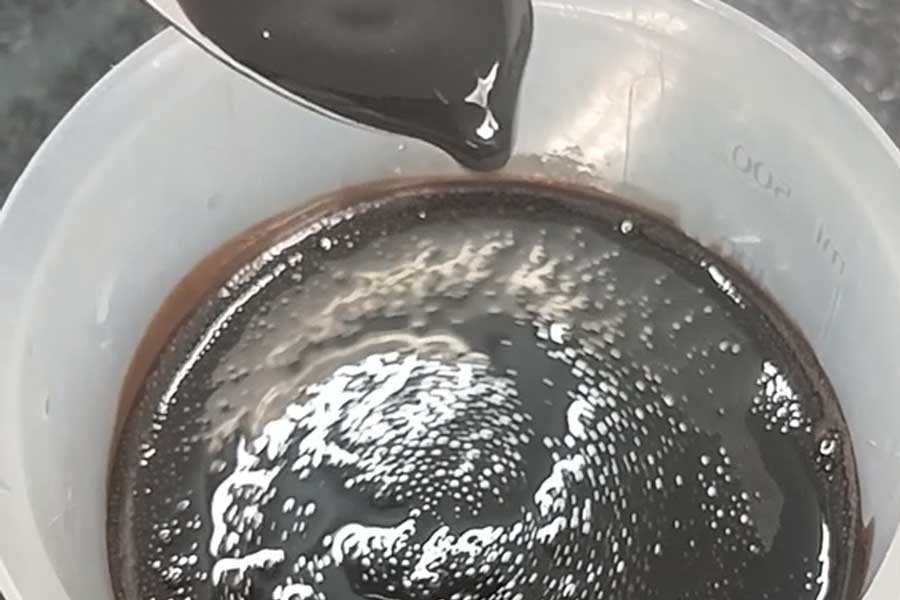
Fertilizers produced from Condensed Molasses Fermentation Solubles (CMS) are widely recognized for their naturally high concentrations of amino acids and fulvic acid.
These bioactive compounds are formed during fermentation, making CMS one of the most efficient and cost‑effective raw materials in the fertilizer industry.
What Is CMS (Condensed Molasses Fermentation Solubles)?
Our CMS is a liquid by‑product generated from the microbial fermentation of molasses, used in monosodium glutamate (MSG) production.
It contains a complex mixture of organic nitrogen, organic acids, residual sugars, minerals, and microbial metabolites, making it a valuable input for organic fertilizer, feed additive, and soil amendment applications.
Test Report of CMS Liquid
According to the test report issued by Quatest 3 on 15 Aug 2024, our CMS liquid made in Vietnam contains:
| Parameter | Result |
|---|---|
| Total nitrogen | 5.06% |
| Available P₂O₅ | 0.38% |
| Available K₂O | 2.9% |
| Organic matter content | 46.3% |
| Total amino acids | 8.26% |
| Free amino acids | 6.5% |
| Humic acid | 2.57% |
| Fulvic acid | 37.7% |
These values confirm that CMS liquid is naturally rich in organic nitrogen, amino acids, and fulvic substances, making it an excellent base material for organic fertilizer, compound fertilizer NPK production.
Why CMS Contains High Levels of Amino Acids and Fulvic Acid
1. Deep Microbial Fermentation Creates Bioactive Compounds
During fermentation, microorganisms metabolize sugars, nitrogen, and organic matter, producing a wide range of bioactive organic compounds, including:
- Amino acids
- Fulvic acid
- Humic substances
- Organic acids
This biochemical transformation is the primary reason CMS is rich in organic nitrogen and low‑molecular‑weight carbon compounds.
2. Microbial Activity Naturally Generates Amino Acids
Amino acids in CMS are formed through three natural mechanisms:
Microbial biosynthesis
Fermentation microorganisms synthesize amino acids as part of their metabolic pathways.
Enzymatic hydrolysis
Proteins and peptides are broken down into free amino acids through enzymatic reactions.
Cell lysis
Microbial cell breakdown releases additional amino acids into the liquid.
Amino Acid Profile in Vietnam CMS Liquid
| Amino acid | Content (%) | Amino acid | Content (%) |
|---|---|---|---|
| Aspartic acid | 0.89 | Tyrosine | 0.09 |
| Threonine | 0.17 | Phenylalanine | 0.13 |
| Serine | 0.14 | Lysine | 0.13 |
| Glutamic acid | 4.57 | Histidine | 0.07 |
| Proline | 0.20 | Arginine | 0.14 |
| Glycine | 0.19 | Valine | 0.22 |
| Alanine | 0.85 | Methionine | 0.05 |
| Cystine | 0.07 | Isoleucine | 0.13 |
| Leucine | 0.22 | ||
| According to test report dated 15 Aug 2024 issued by Quatest 3. | |||
This natural formation process explains why our CMS Liquid contains 8–10% amino acids, depending on concentration.
3. Fulvic Acid Forms Naturally During Organic Decomposition
Fulvic acid in Liquid CMS originates from:
- Microbial decomposition of carbohydrates
- Biochemical oxidation
- Transformation of low‑molecular‑weight organic compounds
Fulvic acid in Liquid CMS is:
- Highly water‑soluble
- Biologically active
- A strong natural chelating agent
- Easily absorbed by plants
This is why our CMS liquid typically contains 35–38% fulvic acid, significantly higher than many other organic materials.
Why High Amino Acid & Fulvic Acid Matter for Fertilizer Manufacturers and Farmers?
Functional Benefits
Amino acids:
- Enhance nutrient uptake
- Improve plant stress tolerance
- Stimulate root and shoot development
- Act as natural chelating agents
Fulvic acid:
- Increases nutrient solubility and mobility
- Enhances micronutrient chelation
- Improves soil structure
- Boosts beneficial microbial activity
Economic Benefits
- Reduces the need for synthetic chelating agents
- Improves the performance of NPK and liquid fertilizers
- Lowers formulation costs
- Enhances product competitiveness in the organic fertilizer market
Application Advantages
CMS based organic fertilizers are suitable for:
- Liquid and granular fertilizer production
- Organic‑mineral formulations
- Soil conditioners
- Microbial fertilizers
- NPK blending
CMS liquid is considered one of the most cost‑effective organic fertilizer raw materials due to its high nutrient density and stable supply.
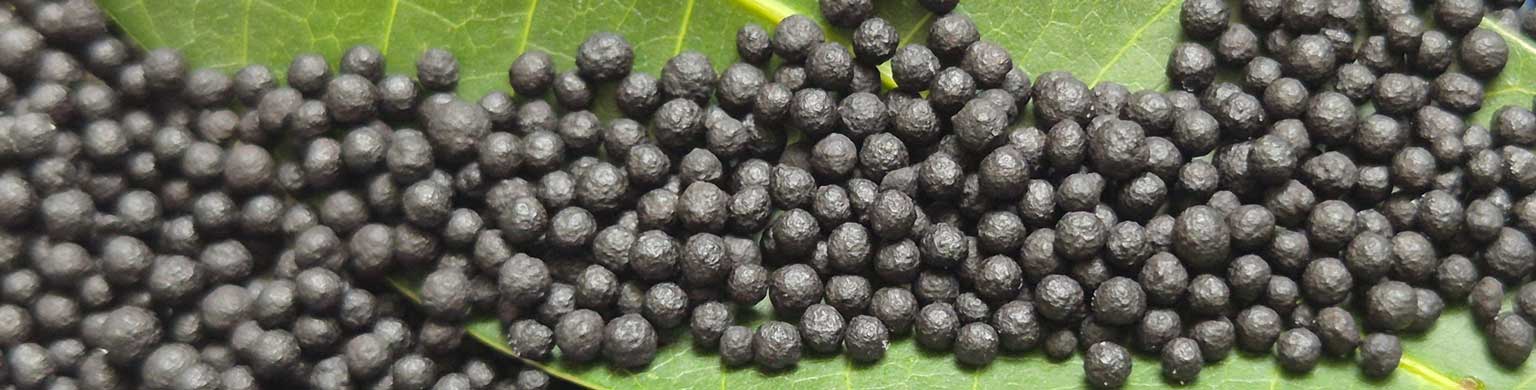
High‑Quality CMS‑Based Organic Fertilizer Inputs from Golinse
Golinse supplies CMS liquid, organic fertilizer NPK made in Vietnam with contains high in amino acid and fulvic acid.
Our products are designed for:
- Importers and distributors
- Fertilizer manufacturers
- Organic fertilizer formulators
- NPK blending
We ensure stable supply, reliable specifications, and consistent quality to support high‑performance NPK compound organic fertilizer production.