SOP vs MOP Fertilizer: Which One To Use?
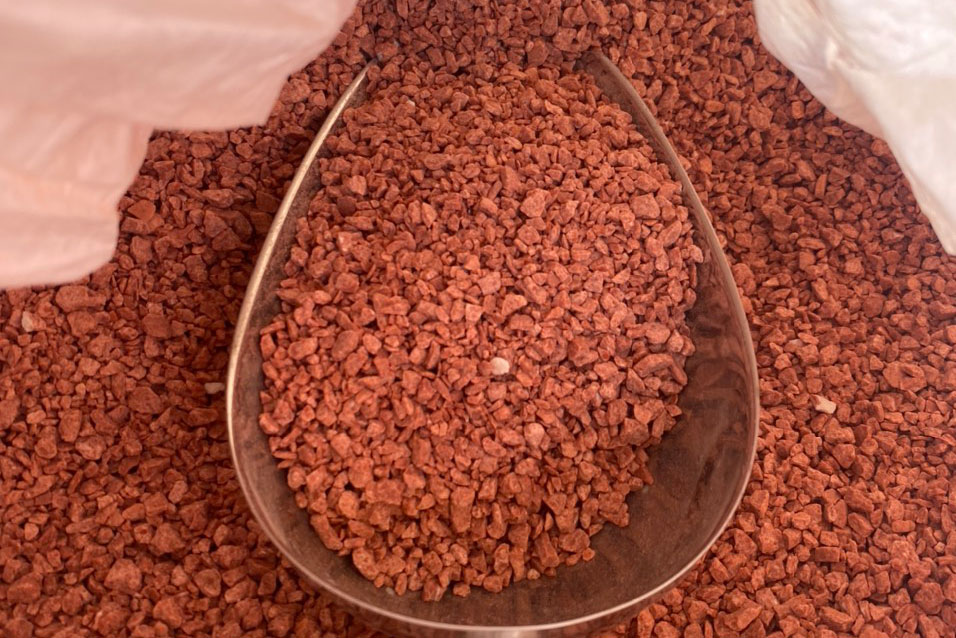
Potassium is one of the three essential macronutrients required for plant growth, alongside nitrogen and phosphorus. Selecting the right potassium source is a critical decision that directly impacts product performance, crop yield, and market acceptance.
Among the various potassium fertilizers available, Sulphate of Potash (SOP) and Muriate of Potash (MOP) dominate the global market. While both supply potassium (K₂O), they differ significantly in composition, application, cost, and suitability for different crops and formulations.
The question is not simply which product is cheaper, but which one delivers the best value in specific applications.
What is SOP (Sulphate of Potash)?
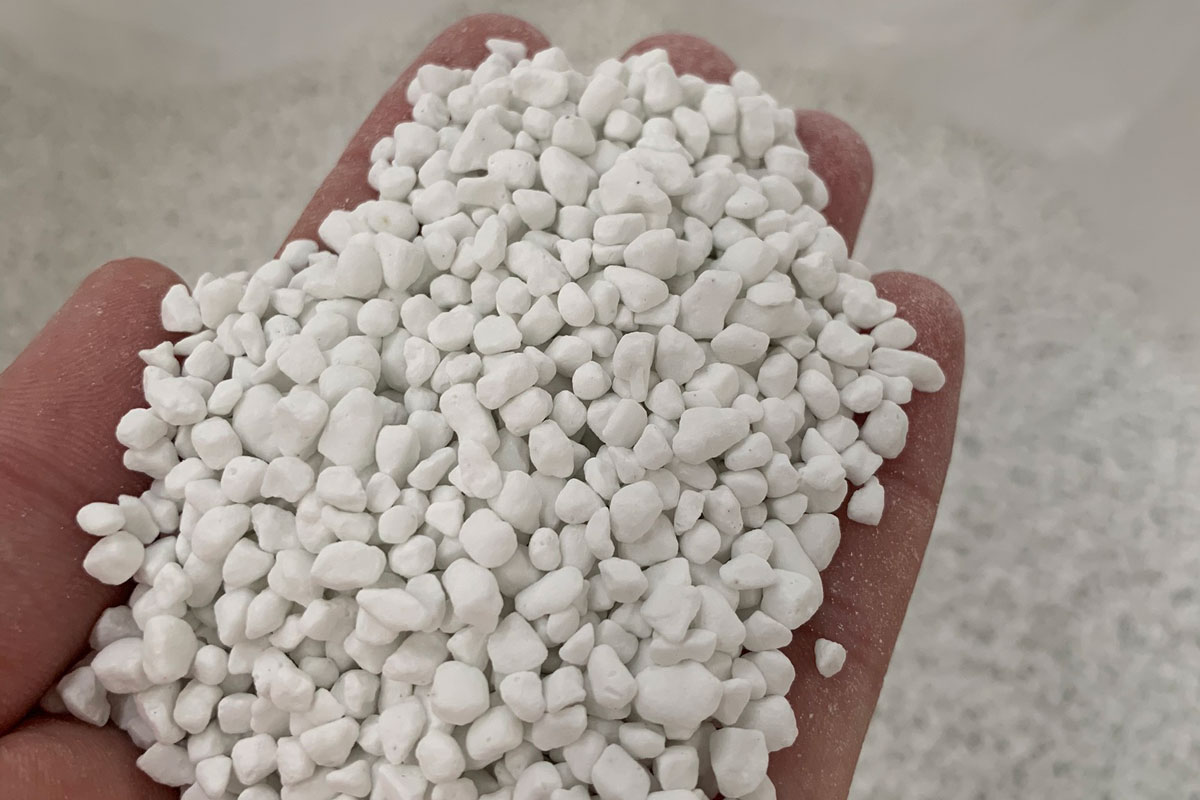
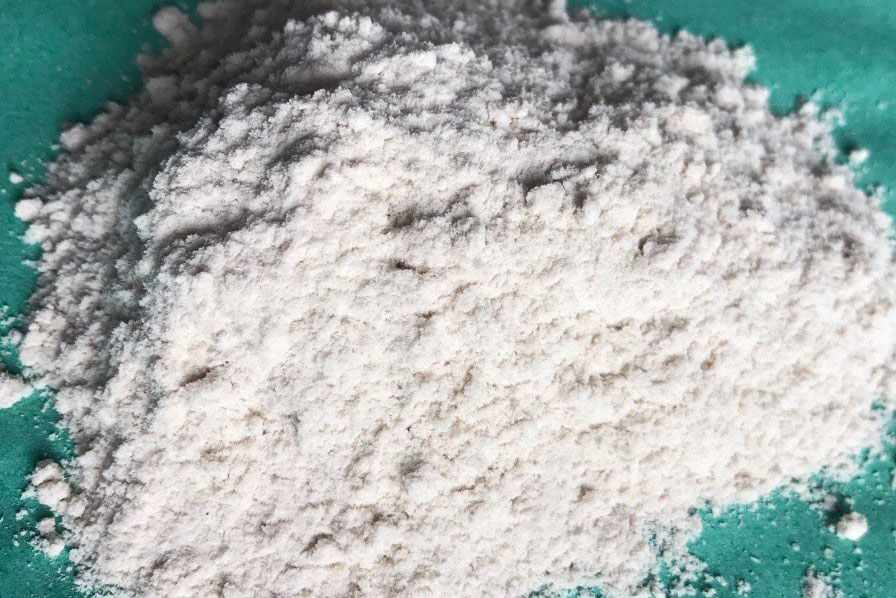
Sulphate of Potash (SOP), chemically known as potassium sulfate (K₂SO₄), is a premium potassium fertilizer that contains:
- 50% K₂O (Potassium Oxide)
- 18% Sulfur (S)
SOP is low level of chloride (typically ≤1.5%), making it ideal for crops sensitive to chloride ions.
Key Characteristics of SOP:
- Low salinity index
- Water soluble
- Suitable for fertigation and foliar application
- Enhances crop quality (taste, color, shelf life)
SOP is widely used in:
- High value crops (fruits, vegetables, coffee, tea) and chloride-sensitive crops.
- Greenhouse and hydroponic systems
- Water-soluble fertilizer production
What is MOP (Muriate of Potash)?
Muriate of Potash (MOP), also known as potassium chloride (KCl), is the most commonly used potassium fertilizer globally.
Typical composition:
- 60% K₂O
- High chloride (Cl⁻) content
Key Characteristics of MOP:
- High potassium concentration
- Lower cost compared to SOP
- Widely available
- Suitable for bulk agriculture
MOP is primarily used in:
- Field crops (rice, wheat, corn)
- Cost-sensitive fertilizer formulations
- Large-scale agriculture
SOP vs MOP: Core Differences
Understanding the fundamental differences between SOP and MOP is essential for making the right production and procurement decisions.
1. Chemical Composition
| Parameter | SOP | MOP | Recommendation |
|---|---|---|---|
| K₂O Content | 50% | 60% | MOP for cost efficiency |
| Sulfur | 18% | 0% | SOP for added nutrition |
| Chloride | Max 1.5% | ~46% | SOP for sensitive crops |
2. Chloride Content and Crop Sensitivity
This is the most critical difference.
- SOP is chloride-free or low level of chloride (Max 1.5%)
- MOP contains high chloride levels (About 46%)
Why does this matter?
Many crops are chloride-sensitive, including: Coffee, Pepper, Citrus, Grapes, Potatoes, Tobacco.
Excess chloride can:
- Reduce yield
- Effect on taste and quality
- Damage soil structure over time
Conclusion:
- Use SOP for chloride-sensitive crops.
- MOP is acceptable for chloride-tolerant crops.
3. Impact on Crop Quality
SOP is widely recognized for improving crop quality due to:
- Sulfur content (important for protein synthesis)
- Absence of chloride
- Better nutrient balance
Benefits include:
- Improved flavor and sweetness
- Enhanced color and appearance
- Longer shelf life
- Higher export quality
MOP, while effective in providing potassium, may:
- Negatively affect quality in sensitive crops
- Increase salinity stress
For export-oriented agriculture, SOP is often the preferred choice.
4. Cost vs Value Considerations
| Factor | SOP | MOP |
|---|---|---|
| Price | Higher | Lower |
| Crop Quality | Excellent | Moderate |
| Yield (sensitive crops) | Higher | Lower |
| ROI (high-value crops) | High | Lower |
5. Application in Fertilizer Production
| Application | SOP | MOP |
|---|---|---|
| Premium NPK | ✔ Preferred | ❌ Limited |
| Bulk NPK | ❌ Less used | ✔ Widely used |
| Water-soluble fertilizers | ✔ Essential | ❌ Not suitable |
| Fertigation | ✔ Ideal | ⚠ Limited |
6. Soil Impact
MOP:
- Increases chloride levels in soil
- Can lead to salinity issues over time
SOP:
- Lower salinity impact
- Supplies sulfur, improving soil health
For long-term soil sustainability, SOP has advantages.
When Should To Use SOP?
SOP is the preferred choice in the following situations:
1. High-Value Crops
- Fruits and vegetables
- Coffee, tea, pepper
- Export-oriented crops
2. Chloride-Sensitive Crops
- Essential to avoid yield and quality loss
3. Premium Fertilizer Products
- Water-soluble fertilizers
- Specialty blends
- Greenhouse applications
4. Export Markets
- Many international markets require low chloride levels
5. Advanced Farming Systems
- Drip irrigation
- Hydroponics
- Precision agriculture
SOP is not just a fertilizer. It is a quality-enhancing input.
When Should To Use MOP?
MOP remains a practical and efficient choice in many scenarios:
1. Commodity Crops
- Rice
- Wheat
- Corn
- Sugarcane
2. Cost-Sensitive Markets
- Large-scale farming
- Developing markets
3. Bulk Fertilizer Production
- Standard NPK blends
- Granular fertilizers
4. Chloride-Tolerant Crops
- Where chloride does not affect yield significantly
MOP is best suited for volume-driven agriculture.
SOP vs MOP in NPK Formulations
Choosing between SOP and MOP significantly affects NPK fertilizer design.
Using MOP:
- Reduces production cost
- Suitable for general-purpose fertilizers
- May limit application in high-end markets
Using SOP:
- Increases product value
- Enables premium positioning
- Expands application to high-value crops
Is SOP Replacing MOP?
While MOP still dominates in volume, several trends are driving increased SOP demand:
- Growth of high-value agriculture
- Expansion of greenhouse farming
- Increasing focus on crop quality
- Export market requirements
- Soil sustainability concerns
SOP is not replacing MOP entirely. But it is gaining share in premium segments.
Decision: SOP or MOP?
To simplify the decision, consider the following factors:
| Scenario | Recommended Option |
|---|---|
| High-value, chloride sensitivity crops | SOP |
| Export agriculture | SOP |
| Fertigation systems | SOP |
| Cost-sensitive production | MOP |
| Commodity crops | MOP |
Strategic Recommendation for Fertilizer Manufacturers
Instead of choosing one over the other, the most effective strategy is:
1. Segment Your Product Line
- MOP-based fertilizers → for mass market
- SOP-based fertilizers → for premium market
2. Optimize Formulations
- Use SOP selectively in high-value blends
- Combine with other inputs for performance
3. Build Supply Flexibility
- Maintain reliable sourcing for both SOP and MOP
- Adjust based on market demand
Conclusion: SOP or MOP Fertilizer?
Choosing between SOP and MOP is not a one - size- fits - all decision. Each has its own strengths and applications.
- MOP offers cost efficiency and is ideal for large scale, commodity crop production.
- SOP provides superior quality, versatility, and is essential for high value crops and advanced farming systems.
The optimal approach is not to replace one with the other, but to use both strategically based on crop requirements, market positioning, and customer needs.
In a market increasingly driven by quality and sustainability, SOP is becoming a key component in premium fertilizer production, while MOP continues to serve as the backbone of global agriculture.