Benefits of Amino Acid and Fulvic Acid in Liquid Organic Fertilizer
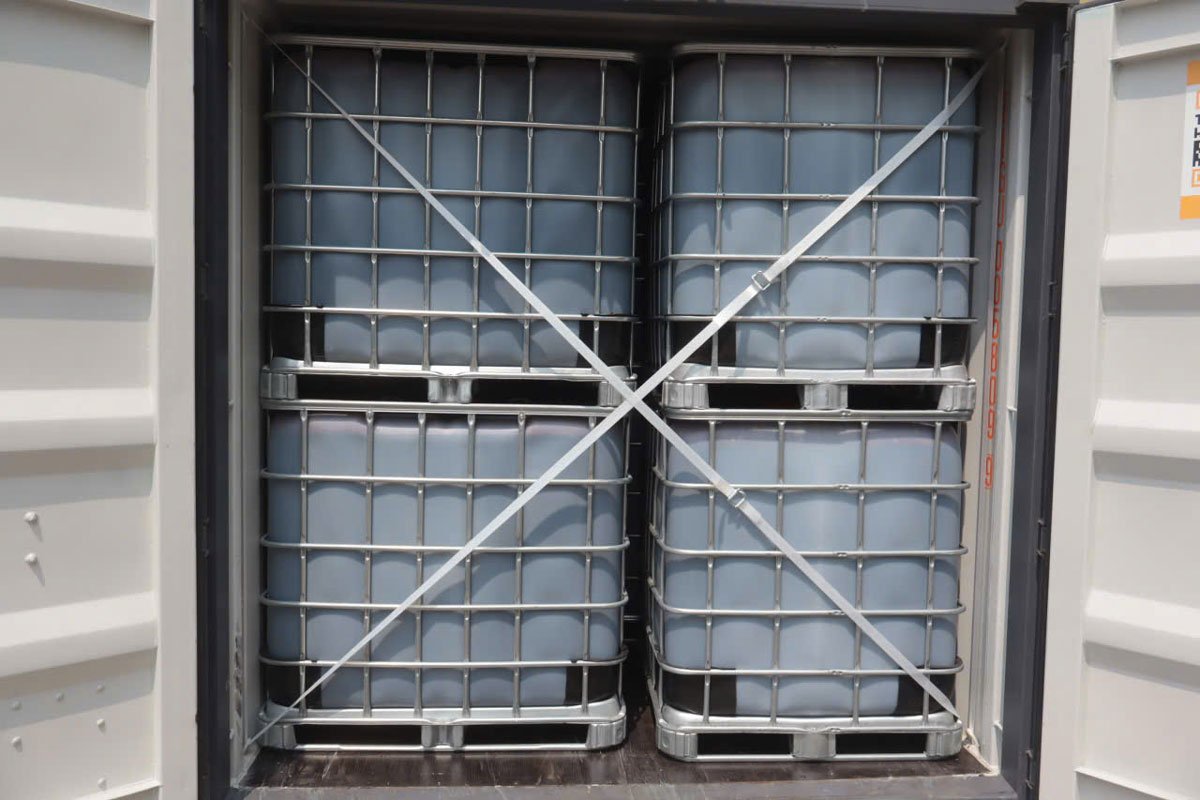
Our liquid organic fertilizer has become an increasingly important component in modern fertilizer production. Beyond its role as a cost effective organic input, its value lies in the presence of bioactive compounds, particularly:
- Amino acids
- Fulvic acid
These compounds are formed during molasses fermentation processes and are known to support nutrient efficiency, soil interactions, and plant performance.
For fertilizer manufacturers, understanding these functional roles is essential for designing cost effective and high performance formulations.
1. Why Amino Acids Matter in Fertilizer Production
Amino acids are the building blocks of proteins and play a vital role in plant metabolism. When included in fertilizer formulations, they provide several advantages:
1.1. Improve Nutrient Uptake
Amino acids act as natural chelating agents, binding with nutrients such as:
- Calcium
- Magnesium
- Iron
- Zinc
- Manganese
This prevents nutrient precipitation and increases nutrient mobility in soil and plant tissues.
Result: Plants absorb nutrients faster and more efficiently.
1.2. Enhance Root Development
Amino acids stimulate:
- Root elongation
- Lateral root formation
- Root hair density
A stronger root system improves water and nutrient absorption, especially in poor soils.
1.3. Increase Plant Stress Tolerance
Amino acids help plants cope with:
- Heat stress
- Drought
- Salinity
- Transplant shock
They support the synthesis of stress related proteins and osmoprotectants.
1.4. Boost Microbial Activity in Soil
Amino acids serve as a food source for beneficial soil microbes, promoting:
- Better nutrient cycling
- Improved soil structure
- Higher organic matter decomposition.
2. Why Fulvic Acid Is Essential in Liquid Organic Fertilizer
Fulvic acid is one of the most bioactive components in organic matter. Its small molecular size and high solubility make it extremely effective in fertilizer formulations.
2.1. Natural Chelation for Micronutrients
Fulvic acid binds with micronutrients, forming stable complexes that:
- Prevent nutrient lock‑up
- Increase solubility
- Improve nutrient mobility in soil
This is especially important in alkaline or compacted soils.
2.2. Improve Soil Structure and Cation Exchange Capacity (CEC)
Fulvic acid enhances soil properties by:
- Increasing CEC
- Improving water retention
- Enhancing soil aeration
- Reducing compaction
This creates a healthier environment for root growth and microbial activity.
2.3. Stimulate Plant Metabolism
Fulvic acid enhances:
- Enzyme activity
- Chlorophyll synthesis
- Energy transfer within cells
This leads to stronger growth and higher photosynthetic efficiency.
2.4. Increase Fertilizer Efficiency
Fulvic acid helps:
- Reduce nutrient losses
- Improve NPK utilization
- Reduce the need for synthetic chelators.
Manufacturers can lower formulation costs while improving product quality.
3. Why Amino and Fulvic Acid Create a Powerful Fertilizer Base
When amino acids and fulvic acid are present together as in many liquid organic fertilizers, they create a synergistic effect:
- Better nutrient chelation: Amino acids chelate cations; fulvic acid chelates both cations and anions.
- Faster nutrient absorption: Both compounds improve nutrient mobility and uptake.
- Stronger root and shoot growth: Amino acids stimulate root development; fulvic acid enhances cell activity.
- Improved soil health: Fulvic acid improves structure; amino acids feed soil microbes.
- Higher crop resilience: Plants become more tolerant to stress, drought, and salinity.
- Lower production cost for manufacturers: Less need for synthetic chelators, amino powders, or fulvic additives.
4. Why Liquid Organic Fertilizer Is the Best Delivery Form
Our liquid organic fertilizers preserve:
- Amino acids
- Fulvic acid
- Organic nitrogen
Because they are not exposed to high temperature drying, their biological activity remains intact. This makes liquid organic fertilizer ideal for:
- NPK blending
- Drip irrigation
- Biological formulations
- Organic and organic mineral fertilizers.
5. What This Means for Fertilizer Manufacturers
By incorporating liquid organic fertilizer rich in amino and fulvic acid, manufacturers can:
- Improve product performance
- Reduce dependence on synthetic additives
- Lower formulation costs
- Enhance market competitiveness
- Offer more sustainable fertilizer solutions
This is why liquid organic fertilizer - a CMS‑based product has become a preferred raw material in many countries.
Amino Acid and Fulvic Acid Are the Core Strengths of Your Fertilizer Products
Amino acids and fulvic acid are not just extra nutrients. They are high value bioactive compounds that significantly enhance fertilizer efficiency and crop performance. For fertilizer manufacturers, these components offer:
- Better nutrient delivery
- Improved soil health
- Stronger plant growth
- Lower production costs
If you are producing fertilizers, NPK blends, or organic mineral formulations, choosing our liquid organic fertilizer base rich in amino acid and fulvic acid are one of the smartest decisions you can make.